A door that scrapes the frame gets planed, which is permanent and usually unnecessary. In most cases the door has not changed shape; the hinges have moved, or the screws have lost their grip in the frame.
Find where it catches
Close the door slowly and watch the gap all the way round. A door catching at the top of the latch side has usually dropped at the top hinge. Catching at the bottom of the latch side means it has dropped at the bottom, or the frame has moved. Catching along the whole latch edge is a frame or a swelling problem.
Write down where it touches before you touch anything, because the symptom disappears the moment you start adjusting.
The top hinge carries the weight
Almost all of a door’s weight hangs on the top hinge, which is why its screws work loose first. Open the door, take the weight on a wedge, and try tightening the top hinge screws into the frame. If a screw spins without biting, that is your fault found.
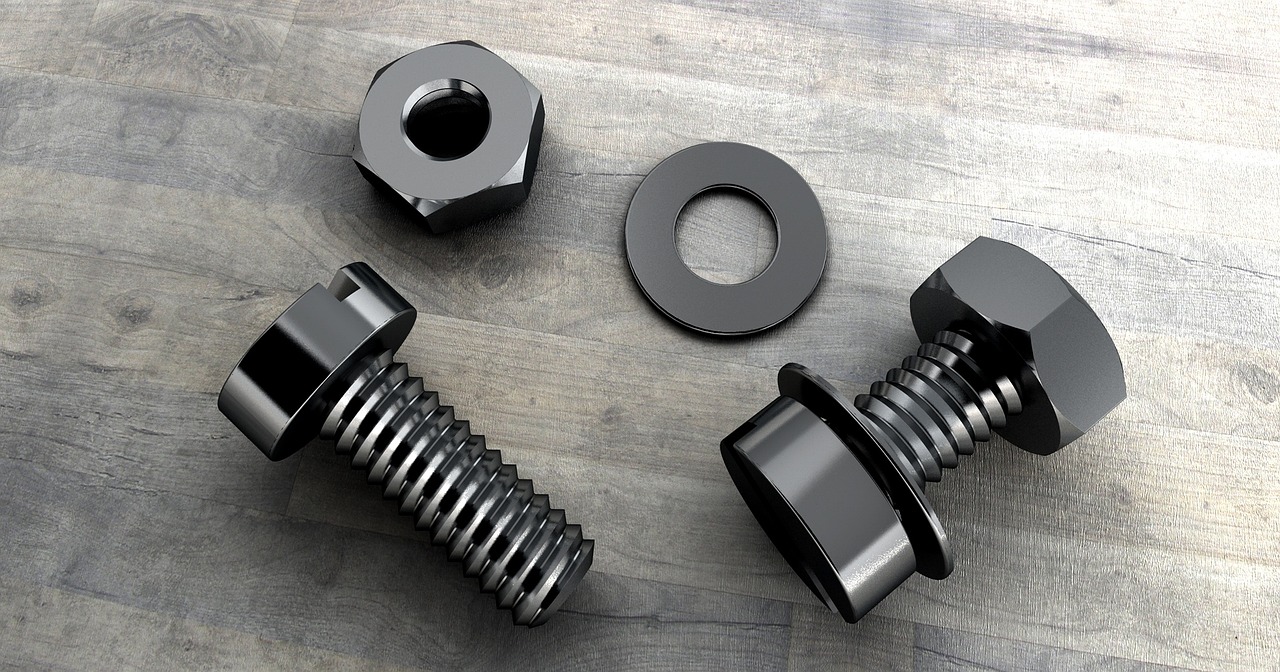
The fix is longer screws – 3 inch screws that reach past the frame lining into the structural stud behind it. That single change fixes a large proportion of dropped doors permanently.
Stripped screw holes
Where a hole is enlarged, glue-coated wooden matchsticks or a dowel driven in, trimmed flush and re-drilled gives fresh timber to bite into. Wood filler alone does not hold a screw under load.
Do this rather than moving to a fatter screw, which splits the frame lining as often as it works.
Hinge sizing and the two numbers that matter
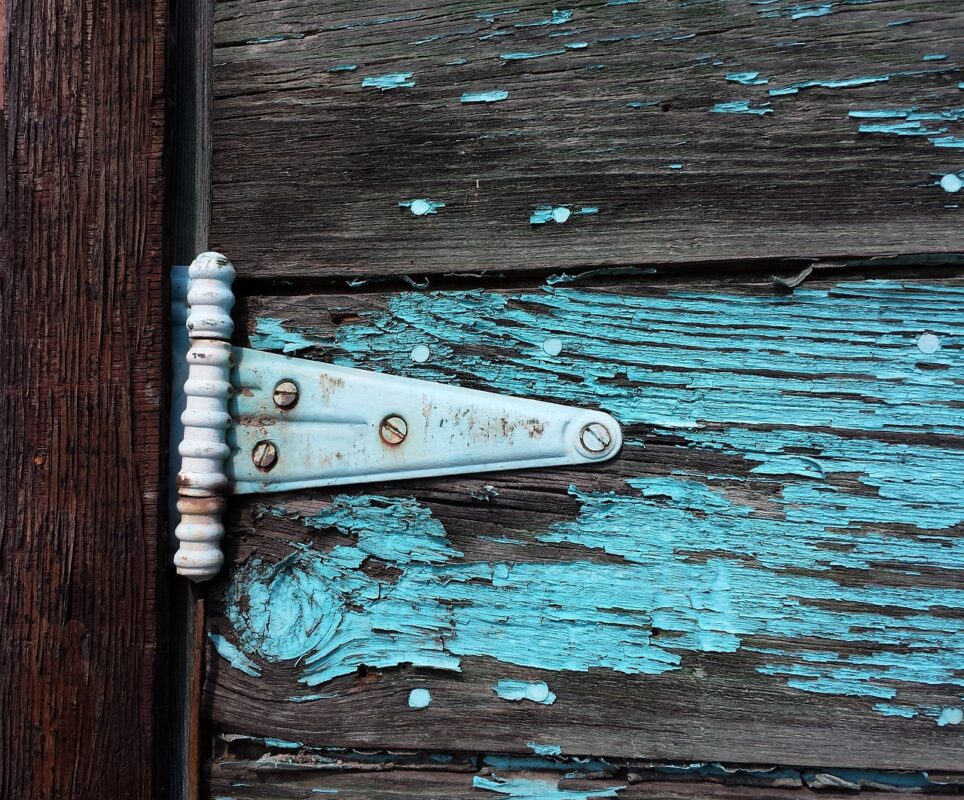
Hinges are described by leaf size and by corner radius. A 4 inch hinge with a square corner will not drop into a mortise cut for a 4 inch hinge with a 5/8 inch radius, and the difference is invisible until you are holding both.
Take the old hinge with you or measure both. Also check the screw hole positions match – two hinges of identical size can have different hole patterns.
Loose-pin versus fixed-pin
Loose-pin hinges let you remove the door without unscrewing anything, which is worth a great deal when moving furniture. Fixed-pin hinges are more secure and appropriate on an external door that opens outwards, where an exposed pin is a way in.
Ball-bearing hinges are for heavy doors and fire doors; on a light internal door they are unnecessary weight and cost.
Swelling is seasonal, and worth waiting out
Timber doors take up moisture in humid weather and shed it later. A door that sticks in August and closes fine in January has not moved – the wood has. Planing it in August leaves a gap in January.
If it must be eased, take material from the top or the hinge edge rather than the latch edge, and seal the bare wood afterwards or it will absorb faster than before.
Shimming to change the swing
A thin cardboard shim behind one hinge leaf changes the door’s angle in the frame by a small, controlled amount. Behind the top hinge it pulls the top of the latch edge in; behind the bottom hinge it does the opposite.
This is the least destructive adjustment available and it is reversible, which is why it should be tried before anything is cut.
Squeaks
A dry pin, not a worn hinge. Lift the pin partly out, wipe it, apply a smear of grease or a drop of oil, and drive it back. Aerosol lubricant sprayed at the closed hinge runs down the door face and attracts dust.
We list leaf size, corner radius, finish and screw pattern on every hinge we stock, because those are the four things that decide whether a replacement drops straight into the existing mortise.